Archives
- 2026-10
- 2026-09
- 2026-08
- 2026-07
- 2026-06
- 2026-05
- 2026-04
- 2026-03
- 2026-02
- 2026-01
- 2025-12
- 2025-11
- 2025-10
- 2025-09
- 2025-03
- 2025-02
- 2025-01
- 2024-12
- 2024-11
- 2024-10
- 2024-09
- 2024-08
- 2024-07
- 2024-06
- 2024-05
- 2024-04
- 2024-03
- 2024-02
- 2024-01
- 2023-12
- 2023-11
- 2023-10
- 2023-09
- 2023-08
- 2023-07
- 2023-06
- 2023-05
- 2023-04
- 2023-03
- 2023-02
- 2023-01
- 2022-12
- 2022-11
- 2022-10
- 2022-09
- 2022-08
- 2022-07
- 2022-06
- 2022-05
- 2022-04
- 2022-03
- 2022-02
- 2022-01
-
Given that the FST protocol for mice does not engage
2023-10-21
Given that the FST protocol for mice does not engage the exposure to a previous stressful session, posits that Agtr1a levels could be kept higher by basal glutamatergic transmission rather than by stressful stimuli as postulated before. To address this possibility, we used the EMBL-EBI Expression At
-
br Experimental section br Results and discussion
2023-10-21
Experimental section Results and discussion Conclusion Acknowledgement This work was supported by the National Natural Science Foundation of China (Grant Nos. 81401489), the Shanghai Pujiang Program (17PJ1402800) and the Shanghai Sailing Program (Grant No. 14YF1409000). Introduction
-
Asparagine synthetase ASNS is a glutamine
2023-10-21
Asparagine synthetase (ASNS) is a glutamine amidotransferase that catalyzes ATP-dependent synthesis of asparagine and glutamate from aspartate and glutamine. Upregulation of ASNS expression renders leukemia cells resistant to l-asparaginase treatment, and ASNS is essential for cell survival in the a
-
br Introduction Alzheimer s disease AD is a neurodegenerativ
2023-10-21

Introduction Alzheimer's disease (AD) is a neurodegenerative disorder and the leading cause of dementia. It is characterized by progressive and irreversible damage to different neomycin sulfate areas, resulting in cognitive impairment and behavioral changes (O'Neill, 2013, De Strooper and Karran,
-
Aldose reductase AR is an
2023-10-20

Aldose reductase (AR), is an NADPH-dependent aldo-keto reductase very well studied as a catalyst of glucose conversion to sorbitol in the polyol pathway [11], [12]. In the diabetic lens characterized by chronically high levels of glucose, AR is responsible for production of high levels of sorbitol a
-
The CK catalyzes the reversible conversion of creatine into
2023-10-20
The CK catalyzes the reversible conversion of creatine into creatine phosphate using ATP and thereby releasing ADP. The CK isoenzymes, specifically localized in places where there is a demand and production of energy, are linked to a creatine/creatine phosphate shuttle (Wallimann et al., 1998). This
-
scr 11 Since the introduction of zebrafish into
2023-10-20
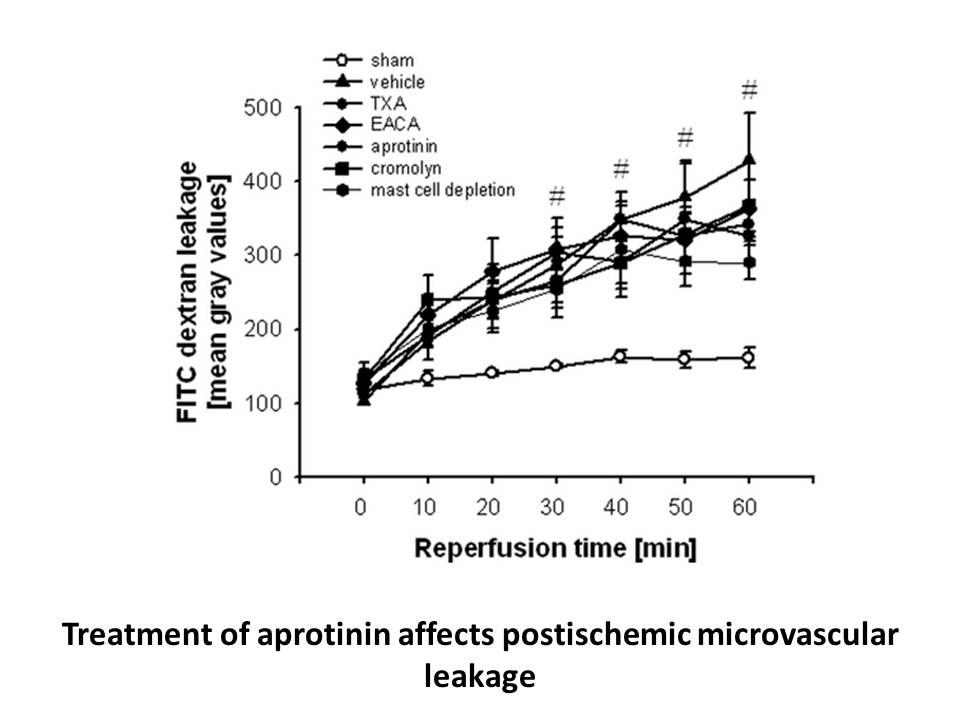
Since the introduction of zebrafish into the laboratory, many milestones have been achieved that firmly establish this organism as a prominent genetic model for biology and medicine. Many features make this species an organism of easy maintenance in laboratory which provides advantages to understand
-
A previous study reported that the serotonergic mechanism wa
2023-10-20
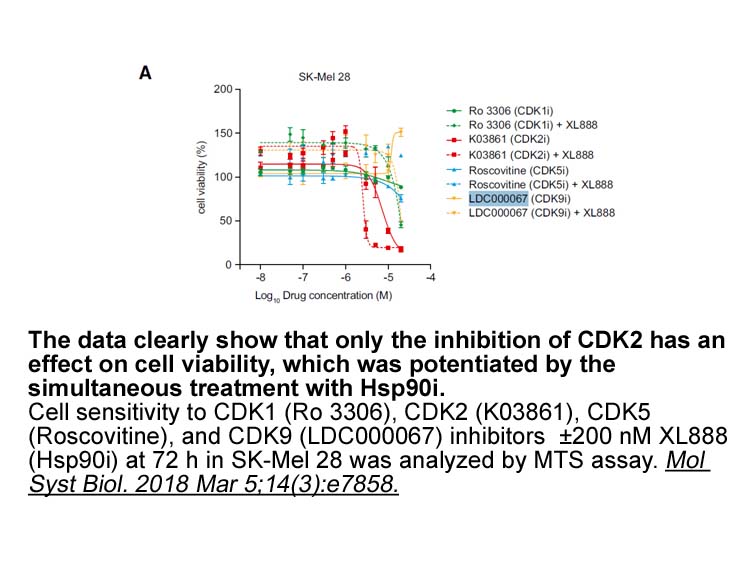
A previous study reported that the serotonergic mechanism was involved in the psychological stress-induced alteration in synaptic plasticity in the rat hippocampal CA1 field (Matsumoto et al., 2004). Sumitaka Inoue et al. (Inoue et al., 2014) reported that pretreatment with a 5-HT1A receptor partial
-
Another significant group of reductase inhibitors is the ste
2023-10-20

Another significant group of 5α-reductase inhibitors is the steroidal 3-carboxylic Ademetionine derivatives (relevant examples in Fig. 5), which were designed to mimic the putative enzyme-bound enolate intermediate. This was achieved by introducing sp2-hybridized centers at C3 and C4 and an anionic
-
br Results br Discussion Although they do not have protein
2023-10-20
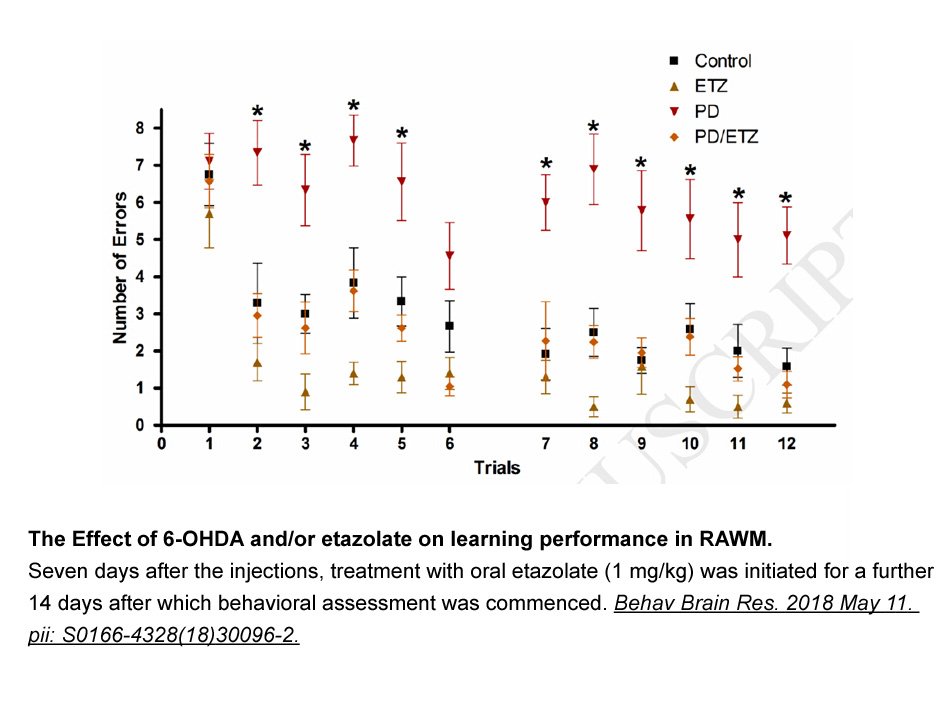
Results Discussion Although they do not have protein-coding capacity, lncRNAs make up a large part of the transcripts of the genome, and they play fundamental roles in carcinogenesis and osteosarcoma progression through regulation of tumor proliferation and metastasis. These lncRNAs include MA
-
Our current knowledge on autophagy broadly differentiates
2023-10-20
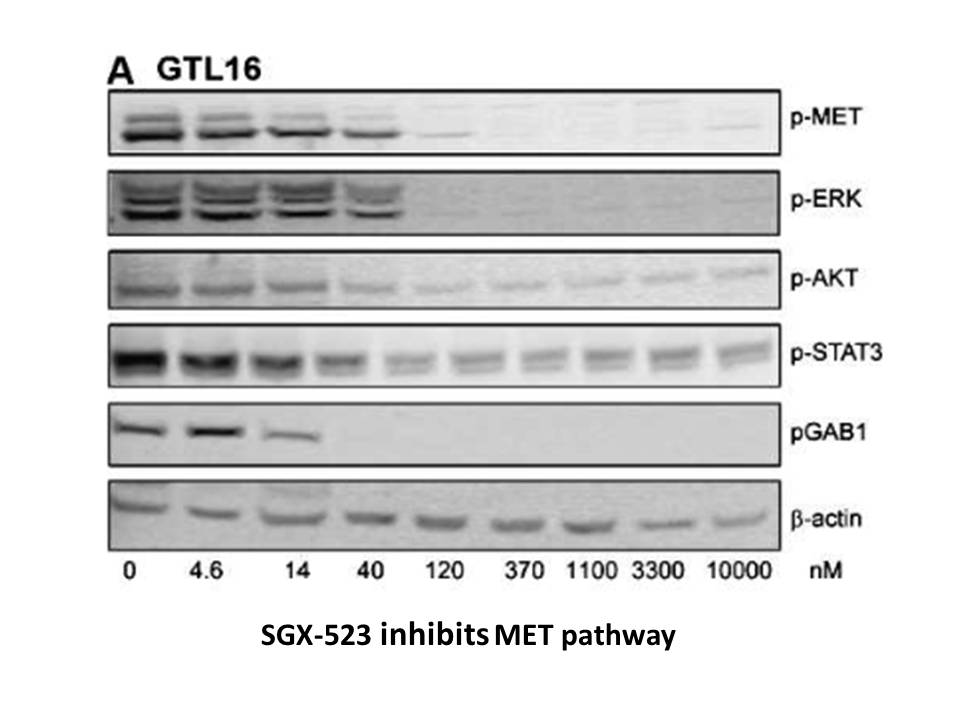
Our current knowledge on autophagy broadly differentiates it into three types: macroautophagy, microautophagy, and chaperone-mediated autophagy. Macroautophagy mainly involves the sequestration of cytoplasmic contents in a double-walled membrane followed by the fusion with the lysosomes. The lysosom
-
In this study we found
2023-10-20
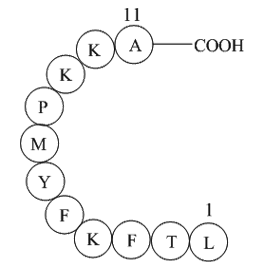
In this study, we found that ACL silencing is sufficient to impair myoblast differentiation and that this effect is accompanied by a decrease in MYOD early in the myogenic process and by a subsequent decline in fast MyHC protein Golgicide A at a later stage of differentiation (Figure 4J). Furthermo
-
The downstream targets of ATR involved in mediating human te
2023-10-20
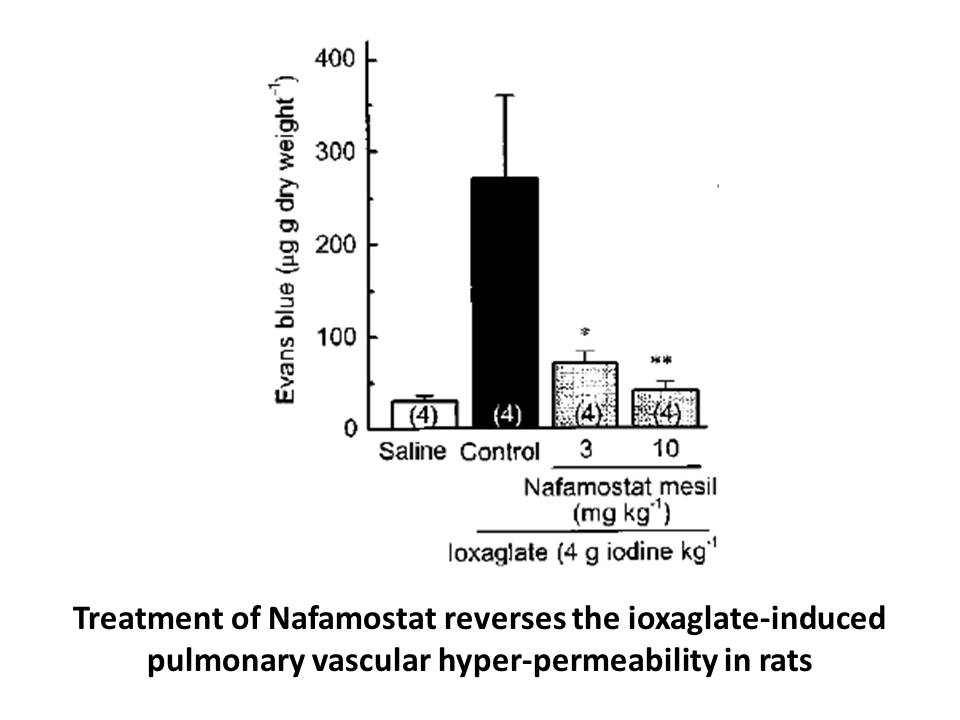
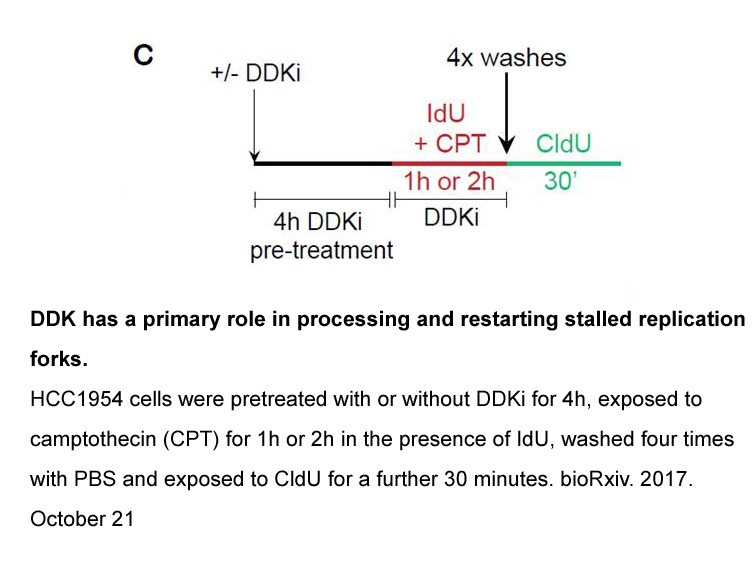
The downstream targets of ATR involved in mediating human telomerase recruitment have not yet been identified. Under stalled fork conditions, activated ATR is able to phosphorylate and activate ATM (Stiff et al., 2006, and Figures 4C and 4D); whether this Phosphoramidon Disodium Salt sale of ATM pa
-
Citral or dimethyl octadien al is a mixture
2023-10-20
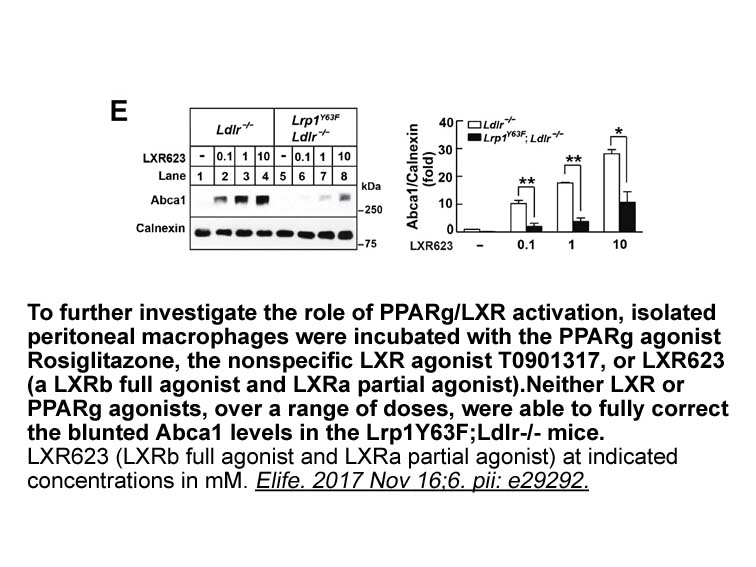
Citral or 3,7-dimethyl-2,6-octadien-1-al is a mixture of two stereoisomeric monoterpene aldehydes (the trans isomer geranial, citral A (40–62%)) and the cis isomer neral, citral B (25–38%) and serves one of the main constituent of essential oils of C. citratusis used in cosmetic, food, fungicides, p
-
br Material and methods br Results br Discussion Didox
2023-10-20
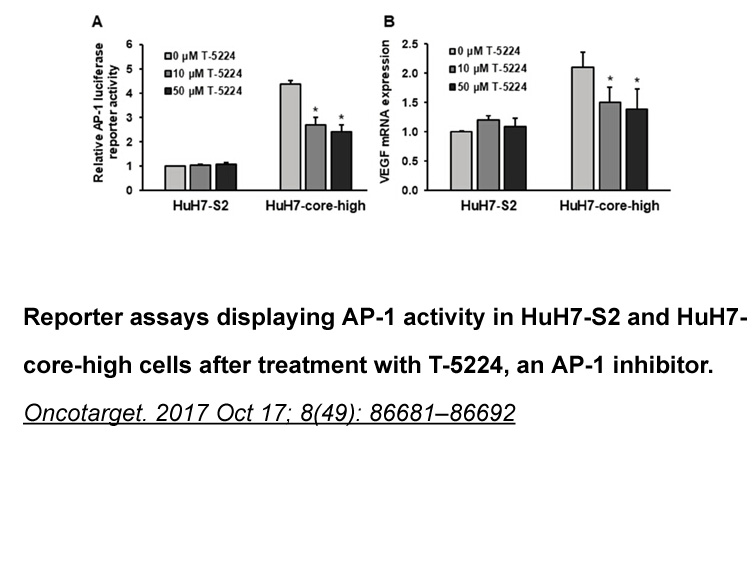
Material and methods Results Discussion Didox was originally created asa cytostatic drug to inhibit cancer cell proliferation by antagonizing RNR [11]. When used to target highly proliferative cells, Didox has extensive activity in vitro and in vivo. It has also been employed in clinical st
8567 records 295/572 page Previous Next First page 上5页 291292293294295 下5页 Last page