Archives
- 2026-06
- 2026-05
- 2026-04
- 2026-03
- 2026-02
- 2026-01
- 2025-12
- 2025-11
- 2025-10
- 2025-09
- 2025-03
- 2025-02
- 2025-01
- 2024-12
- 2024-11
- 2024-10
- 2024-09
- 2024-08
- 2024-07
- 2024-06
- 2024-05
- 2024-04
- 2024-03
- 2024-02
- 2024-01
- 2023-12
- 2023-11
- 2023-10
- 2023-09
- 2023-08
- 2023-07
- 2023-06
- 2023-05
- 2023-04
- 2023-03
- 2023-02
- 2023-01
- 2022-12
- 2022-11
- 2022-10
- 2022-09
- 2022-08
- 2022-07
- 2022-06
- 2022-05
- 2022-04
- 2022-03
- 2022-02
- 2022-01
- 2021-12
- 2021-11
- 2021-10
- 2021-09
- 2021-08
- 2021-07
- 2021-06
- 2021-05
- 2021-04
- 2021-03
- 2021-02
- 2021-01
- 2020-12
- 2020-11
- 2020-10
- 2020-09
- 2020-08
- 2020-07
- 2020-06
- 2020-05
- 2020-04
- 2020-03
- 2020-02
- 2020-01
- 2019-12
- 2019-11
- 2019-10
- 2019-09
- 2019-08
- 2019-07
- 2019-06
- 2018-07
-
Then the mechanisms responsible for BPA
2021-06-03
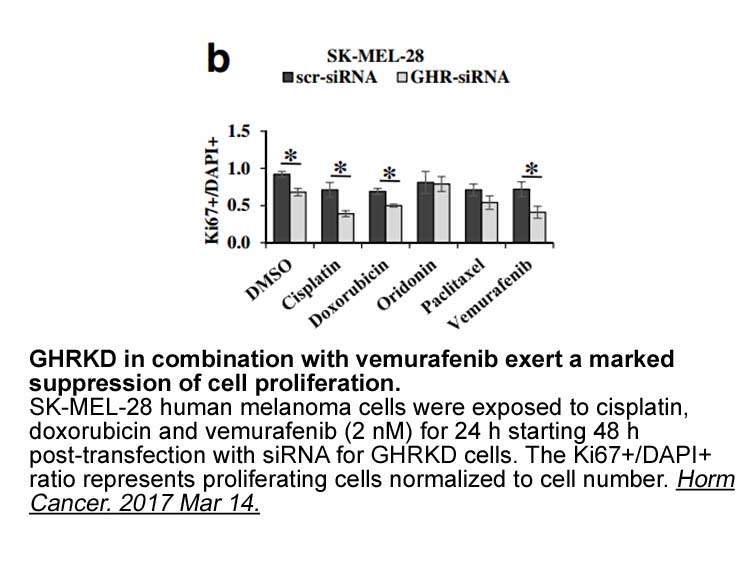
Then the mechanisms responsible for BPA induced up regulation of ERRγ were further investigated. Recent studies indicated that Akt and MPAK can modulate the protein levels and transcriptional activities of ERRγ (Heckler et al., 2014, Sun et al., 2014). Previous studies also indicated that BPA can a
-
Notably we demonstrated that EP EP receptor
2021-06-03
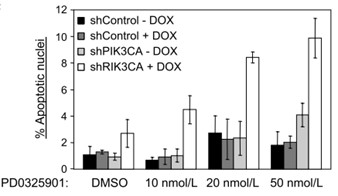
Notably we demonstrated that EP2/EP4 receptor-coupled activation of the cAMP signaling pathway accounted for both up-regulation of COX-2 and down-regulation of LOX, which is consistent with the roles of the cAMP signaling pathway in regulation of COX-2 and LOX by PGE2 in a number of other tissues or
-
Prostaglandins PGs in particular PGE and PGF
2021-06-03
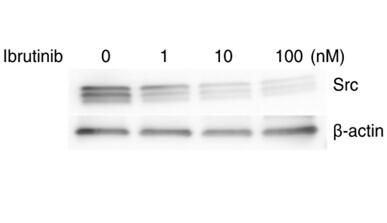
Prostaglandins (PGs), in particular PGE2 and PGF2α, play pivotal roles in human parturition by stimulating cervical ripening, myometrial contraction and fetal membrane rupture (Challis et al., 1997). In human pregnancy, the amnion is the principle source of PGE2 (Duchesne et al., 1978). In the amnio
-
We next turned our attention to the
2021-06-03

We next turned our attention to the 6-position of the indole (). It was found that the chlorine atom present in was extremely important. The des-chloro analogue showed nearly 30-fold less affinity for the EP receptor in the binding assay and was nearly 30-fold lower in activity in the functional a
-
imidazoline The effect of transformation of the linker Y
2021-06-03
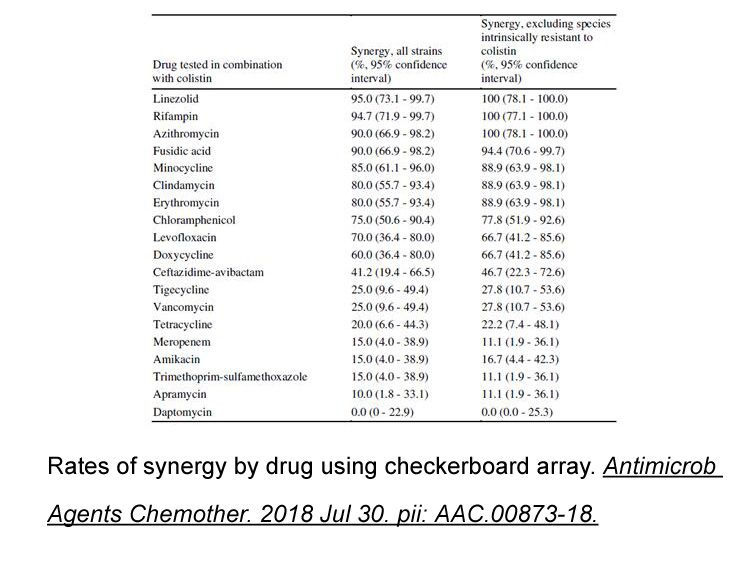
The effect of transformation of the linker Y between the carboxylic imidazoline residue and the phenyl moiety of 2b was also investigated, and is illustrated in Table 5. Analogs 2b, 16, and 17, possessing conformationally restricted carboxylic acid residues, tended to show stronger antagonist activ
-
Introduction Activation of epidermal growth
2021-06-03
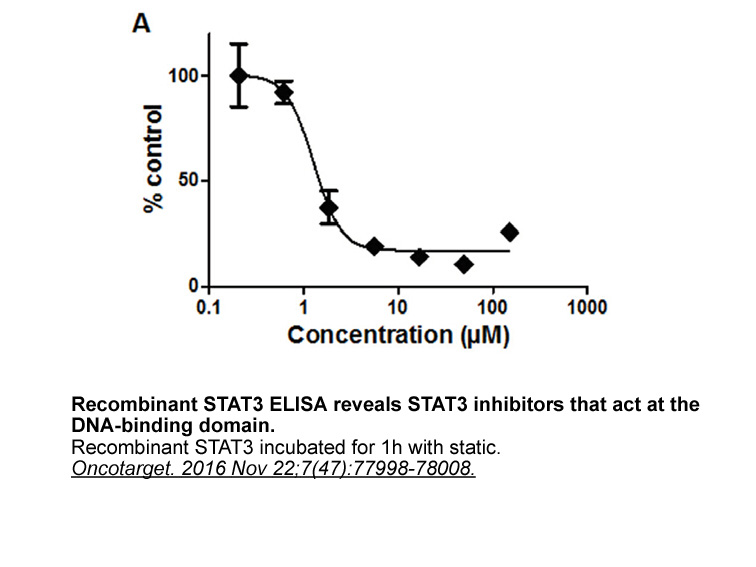
Introduction Activation of epidermal growth factor receptor (EGFR)-receptor tyrosine kinases (RTKs) is a key factor in the progression of non-small cell lung cancer (NSCLC). EGFR-RTKs cause proliferation, invasion, metastasis, and angiogenesis, as well as suppress apoptosis, in lung adenocarcinoma
-
br Lymphoplasmacytic lymphoma Waldenstrom macroglobulinemia
2021-06-03
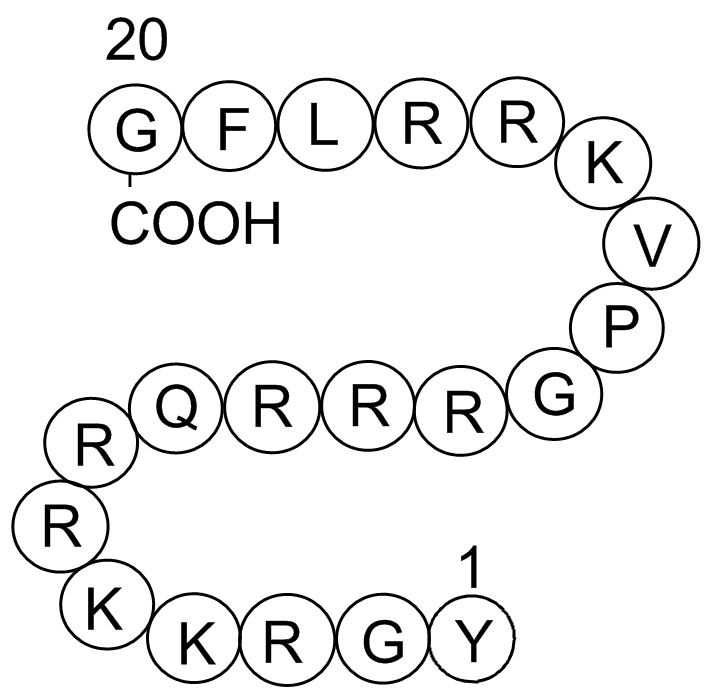
Lymphoplasmacytic lymphoma/Waldenstrom macroglobulinemia Lymphoplasmacytic lymphoma (LPL) and its subgroup Waldenstrom macroglobulinemia (WM) are rare and indolent lymphomas that arise from fully differentiated B cells. The only family of GPCRs that has been well studied in LPL/WM is the chemokin
-
A growing number of other post
2021-06-03
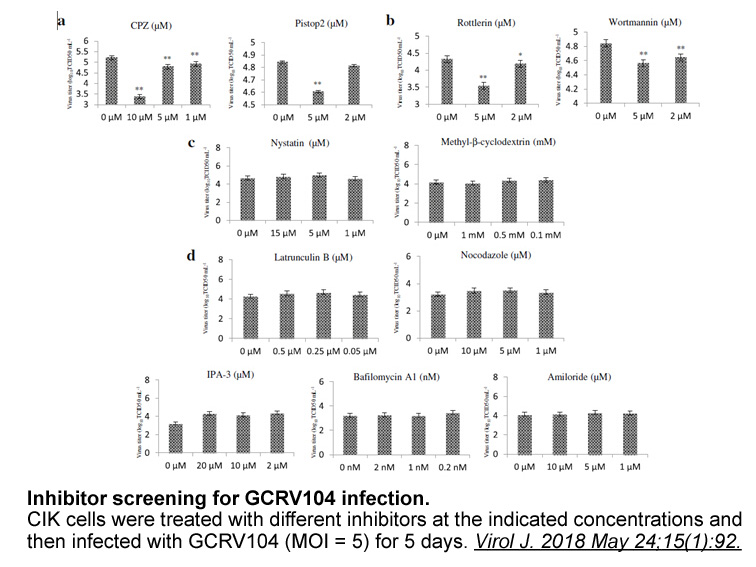
A growing number of other post-translational modifications are implicated in regulation of the ubiquitin system, including substrate modification by hydroxylation, glycosylation, acetylation, methylation, modification by poly(ADP-ribose) (PAR), and attachment of ubiquitin-like modifiers. The HIF1-α
-
In contrast to G and G which are buried
2021-06-03
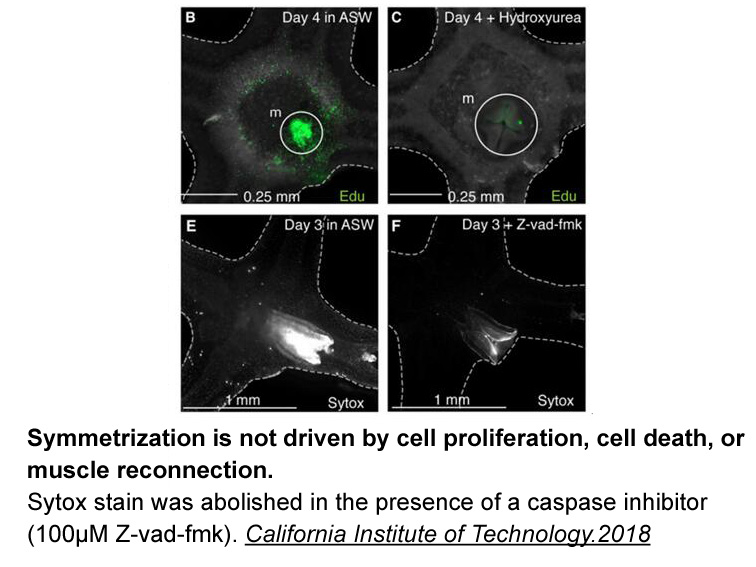
In MAZ51 mg to G468 and G469, which are buried (Fig. 7a), residues 470–476 are equivalent to the surface loop L12 present in the crystal structure of the LigI complex (Fig. 7b) [17]. The OBD of DNA ligases adopts at least two distinct orientations during the catalytic cycle. In the adenylation step
-
The crystal structure of the B
2021-06-02
The crystal structure of the B. subtilis Maf (BSU28050) was published in 2000, and, to date, it represents the only experimental work with a purified Maf protein (Minasov et al., 2000). The structure revealed a structural fold similar to that found in ITPases and YjjX proteins, which are nucleotide
-
One of the features of ROCO proteins controlled by
2021-06-02
One of the features of ROCO proteins, controlled by their domain architecture is their oligomerization status. By size-exclusion chromatography and Western blot analysis, DAPK1 was proved to form homodimers via its GTPase and kinase domains [53]. Similarly, Vincristine microscopy studies conducted o
-
This study focused on NPC L because it is
2021-06-02
This study focused on NPC1L1 because it is critical for intestinal Amiloride HCl dihydrate of both dietary and biliary cholesterol.1, 7, 8 Overall, regulation in the intestine of cholesterol, BAs, and lipids by FGF19 and SHP may involve the combined actions of regulation of other genes that were ide
-
The ACC receptor family appear to
2021-06-02
The ACC receptor family appear to be attractive targets for the development of novel anthelmintics. With this in mind we also tested the activity of the anthelmintics levamisole and pyrantel which activate the nematode nAChR (Martin and Robertson, 2007). We found both molecules were partial agonists
-
TMP269 Nitrid oxide NO and its
2021-06-02
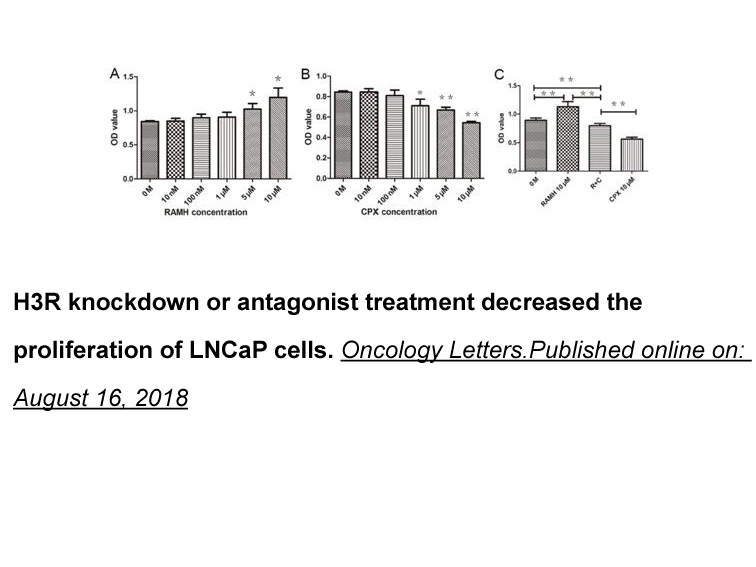
Nitrid oxide (NO) and its potential endogenous production as an endothelium-derived factor was the first gaseous molecule accepted to be a signaling mediator in the organism [4,5]. NO plays a key role in physiological regulation of the TMP269 and exerts physiological functions in the nervous and im
-
The BMP family comprises significant growth factors for the
2021-06-01
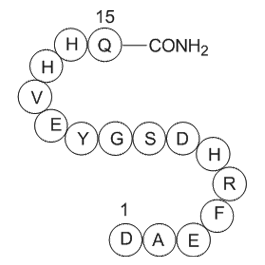
The BMP family comprises significant growth factors for the regeneration of bone and cartilage. Among these, BMP- has been known as an early marker during the proliferation of osteoblast cells, and one of the most potent stimulators of osteoblastic cells differentiation [40]. Studies with COX-2 knoc
15692 records 687/1047 page Previous Next First page 上5页 686687688689690 下5页 Last page