Archives
- 2026-06
- 2026-05
- 2026-04
- 2026-03
- 2026-02
- 2026-01
- 2025-12
- 2025-11
- 2025-10
- 2025-09
- 2025-03
- 2025-02
- 2025-01
- 2024-12
- 2024-11
- 2024-10
- 2024-09
- 2024-08
- 2024-07
- 2024-06
- 2024-05
- 2024-04
- 2024-03
- 2024-02
- 2024-01
- 2023-12
- 2023-11
- 2023-10
- 2023-09
- 2023-08
- 2023-07
- 2023-06
- 2023-05
- 2023-04
- 2023-03
- 2023-02
- 2023-01
- 2022-12
- 2022-11
- 2022-10
- 2022-09
- 2022-08
- 2022-07
- 2022-06
- 2022-05
- 2022-04
- 2022-03
- 2022-02
- 2022-01
- 2021-12
- 2021-11
- 2021-10
- 2021-09
- 2021-08
- 2021-07
- 2021-06
- 2021-05
- 2021-04
- 2021-03
- 2021-02
- 2021-01
- 2020-12
- 2020-11
- 2020-10
- 2020-09
- 2020-08
- 2020-07
- 2020-06
- 2020-05
- 2020-04
- 2020-03
- 2020-02
- 2020-01
- 2019-12
- 2019-11
- 2019-10
- 2019-09
- 2019-08
- 2019-07
- 2019-06
- 2018-07
-
Initially studies of GPCRs predominantly assessed the
2021-03-31
Initially, studies of GPCRs predominantly assessed the signalling pathways downstream of receptors on the cell surface. There is now an understanding that GPCRs can localize to and signal from various intracellular compartments, such as the nucleus (reviewed in [40]). These intracellular pools of re
-
br Methods Ventricular cardiomyocytes from adult male Wistar
2021-03-31
Methods Ventricular cardiomyocytes from adult male Wistar rats were isolated using a standard enzymatic digestion [11]. Cells were incubated at 37°C for 4 to 6h with Tyrode solution (in mM: 140 NaCl, 4 KCl, 1.1 MgCl2, 10 HEPES, 10 glucose, 1.8 CaCl2; pH7.4, with NaOH) supplemented or not with 10μ
-
br O GlcNAc transferase OGT
2021-03-31
O-GlcNAc transferase OGT belongs to the metal-independent GT-B superfamily of glycosyltransferases, which has been well-reviewed previously [14,15]. OGT is an essential gene encoded on the X-chromosome, and it has two main regions: a long N-terminal tetratricopeptide repeat (TPR) region and a C-t
-
M871 synthesis br Acknowledgements br Introduction Endotheli
2021-03-31
Acknowledgements Introduction Endothelial M871 synthesis constitute a unique source of humoral factors that may regulate the functions of other cell types via paracrine or endocrine pathways [1]. Among the many molecules originated from the endothelium, nitric oxide (NO) plays versatile roles
-
In conclusion our results demonstrated that TGF promotes
2021-03-30
In conclusion, our results demonstrated that TGF-β1 promotes linear invadosome formation in hepatocellular carcinoma cells, through the regulation of collagen I, its receptor and its cross-linker (Fig. 6). The key role of TGF-β1 in HCC development allow us to suggest that linear invadosomes and thei
-
The positive correlation between ATG and
2021-03-30
The positive correlation between ATG7 and DCTPP1 (TCGA data) suggested our hypothesis that DCTPP1 may affect the phenotype of prostate tumor, or maybe other types of tumors as well, through its role in autophagy. To test this hypothesis, we carried out western-blot experiments in which the ratios of
-
In humans individual differences in prefrontal dopamine
2021-03-30
In humans, individual differences in prefrontal dopamine are partially caused by the Val158Met single-nucleotide polymorphism on the catechol-O-methyltransferase gene (COMT). This gene controls activity of the COMT enzyme, which degrades extracellular catecholamines including dopamine. The Val varia
-
br Casein Kinase II CK Casein
2021-03-30
Casein Kinase II (CK2) Casein Kinase II (CK2) is a ubiquitous serine/threonine-selective pro-oncogenic protein kinase that has become a more prominent target for research due to its effects and key role in tumorigenesis (Gowda et al., 2017a, Pinna, 2002). CK2, a well-conserved, pleiotropic kinase
-
In silico modelling studies might aid our understanding
2021-03-30
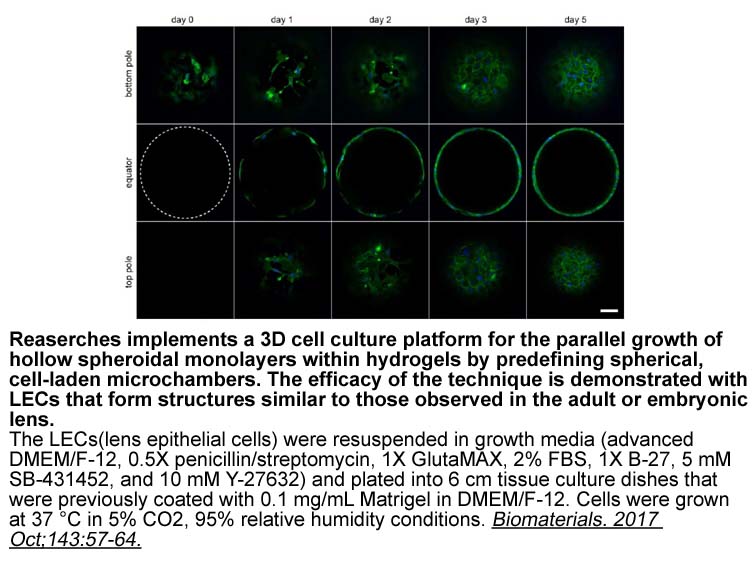
In silico modelling studies might aid our understanding of the functionality and potential biological activity of food and, in the long-term they might underpin the development of personalised diets to reduce health risks and help us to better understand pharmaceutical/food interactions. Acknowle
-
Glycolysis is important to maintain
2021-03-30

Glycolysis is important to maintain the vital functions of T. gondi. Extracellular T. gondii shift its Bezafibrate metabolism towards glycolysis, based on the observation that a relocation of glycolytic enzymes from the cytosol to the pellicle occurs at the time when tachyzoites egress from host ce
-
br The contribution of Interference RNA and epigenetic in
2021-03-30
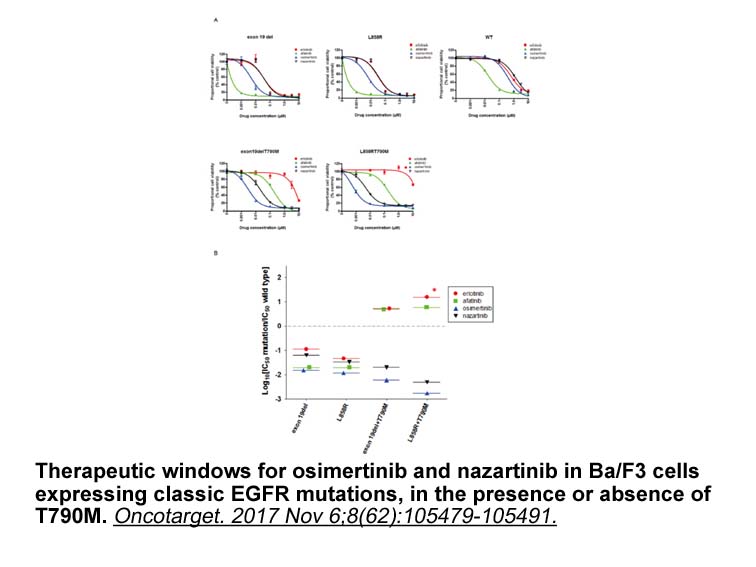
The contribution of Interference RNA and epigenetic in OA attenuation Interference RNA, a cellular mechanism for post-transcriptional gene silencing that is associated with mRNA. The potential of RNAi has successfully silenced the wide range of protein coding genes. Its high specificity sanctions
-
How does an increase in E affinity for
2021-03-30
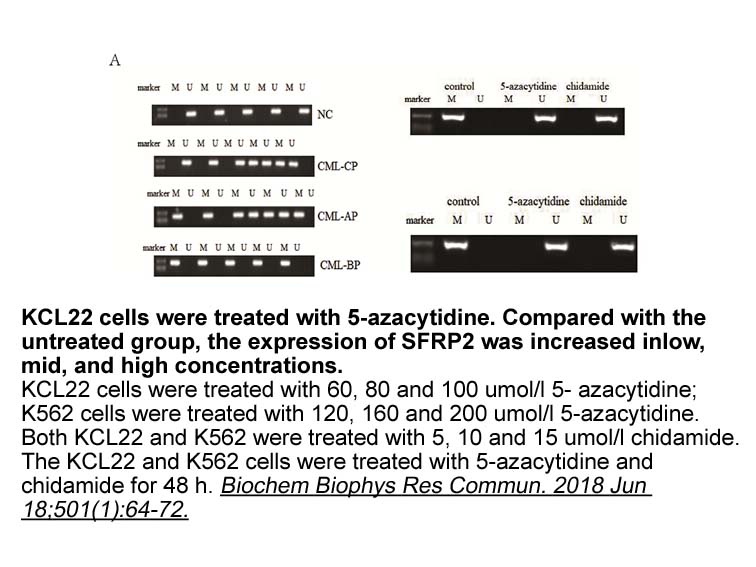
How does an increase in E2 affinity for the RING domain favor higher activity and polyubiquitination by the E2? Binding of the RING domain to the E2 positions the donor Ub in the E2~Ub conjugate in a closed complex [16], [17], [18] that increases the reactivity of the thioester [60]. A higher affini
-
Spautin-1 australia External factors such as protein partner
2021-03-29

External factors, such as protein partners, can also activate DUBs by either reinforcing the stimulatory effects of intramolecular factors or by other means. The intramolecular activation of the USP7 CD by its HUBL domain is allosterically potentiated by external factor GMP synthase (GMPS), which co
-
The Lysine mutant is located in the
2021-03-29
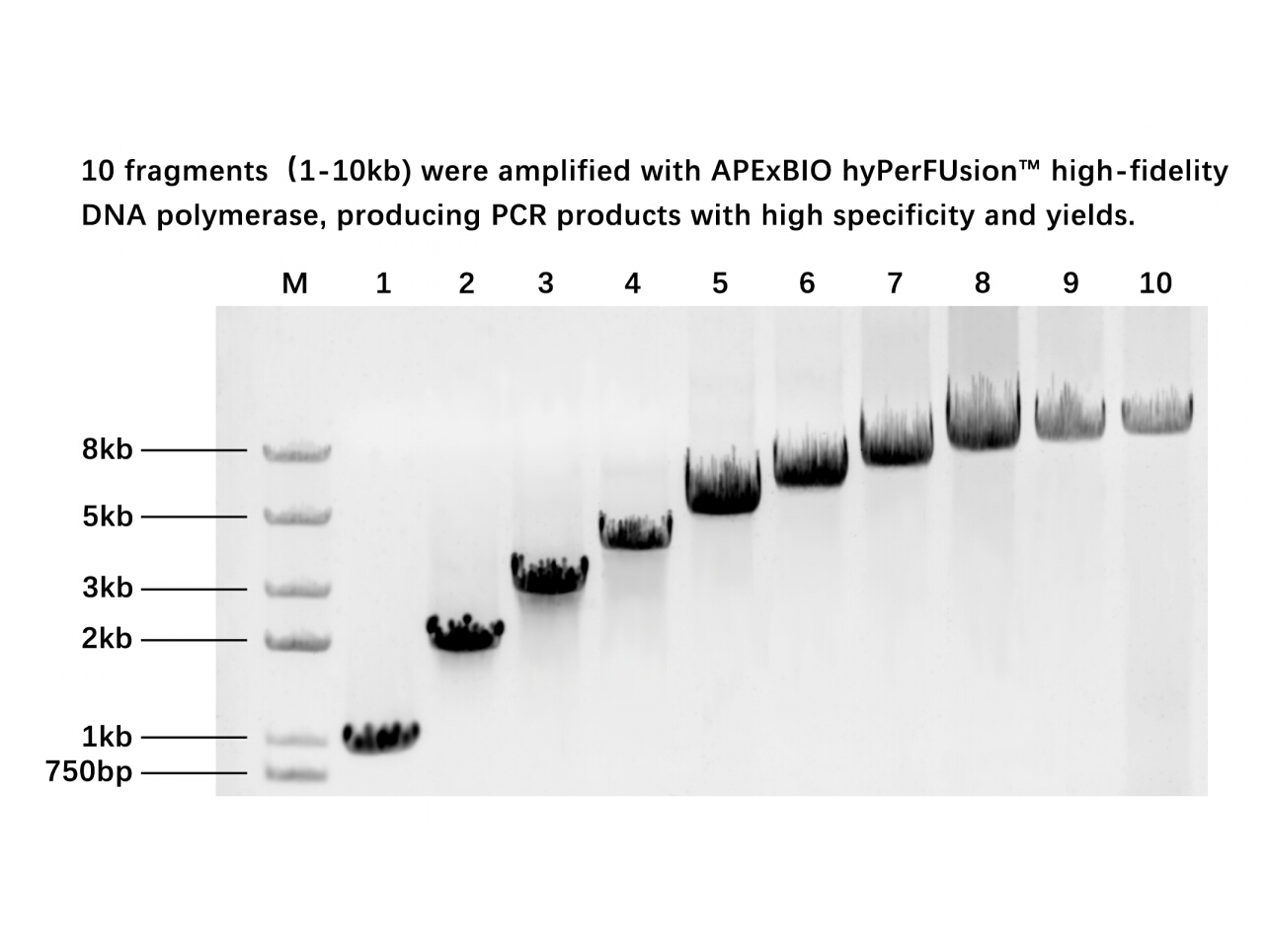
The Lysine429 mutant is located in the tail region of 5-HT2A, which is predicted to be unstructured. This region has been shown to interact, in vitro, with PSD95 and leads to differences in signaling (Xia et al., 2003). The ASK motif, a component of the tail region, is also important for regulation
-
The Rev protein is a crucial regulator
2021-03-29
The Rev1 protein is a crucial regulator of TLS activity because of its structural function [10]; therefore, we focused on Rev1 to investigate how Dot1/Rad53 function impinges on TLS-dependent mutagenic bypass of MMS-induced lesions. In particular, we examined Rev1 localization to chromatin by immuno
15693 records 725/1047 page Previous Next First page 上5页 721722723724725 下5页 Last page